Skip to content

The Stack Architects

  • Workflow Automation
  • Team Operations
  • Solopreneur Tech
  • Commerce Systems
  • Master GuidesExpand
    • Workflow Automation Guide
    • Team Operations Guide
    • Solopreneur Tech Guide
    • Commerce Systems Guide
Linkedin Twitter
The Stack Architects
All
Workflow Automation
Team Operations
Solopreneur Tech
Commerce Systems
  • ZoomInfo Pricing
    Workflow Automation

    ZoomInfo Pricing: What Agencies Actually Pay After the Contract Is Signed

    Naveen Kumar (TSA)

    ZoomInfo pricing starts at $14,995 per year and the sales page does not exist. Every quote is custom, every deal goes through a rep, and two agencies with identical use cases can receive quotes that differ by $20,000. The median agency contract per Vendr’s 2026 verified purchase data lands at $31,875 annually. The real cost after seats, intent data, credit overages, and the first renewal typically runs $30,000 to $60,000.
    Read More ZoomInfo Pricing: What Agencies Actually Pay After the Contract Is SignedContinue

  • Make.com webhook
    Workflow Automation

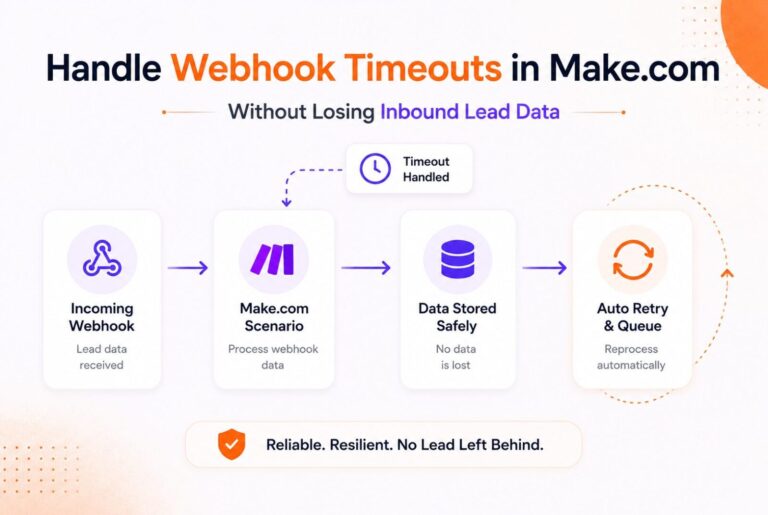
    How to Handle Make.com Webhook Timeouts in Make.com Without Losing Inbound Lead Data

    Naveen Kumar (TSA)

    The Make.com webhook is not where timeouts happen. Make.com returns a 200 OK to the source system immediately on receipt, before any downstream module runs. The timeout risk is in enrichment API calls, CRM syncs, and notification modules downstream. Without error handling, one timeout drops the bundle permanently. This guide covers Break directive retry configuration, the Incomplete Executions queue, and the async two-scenario pattern that eliminates data loss entirely.

    Read More How to Handle Make.com Webhook Timeouts in Make.com Without Losing Inbound Lead DataContinue

  • lead enrichment automation
    Workflow Automation

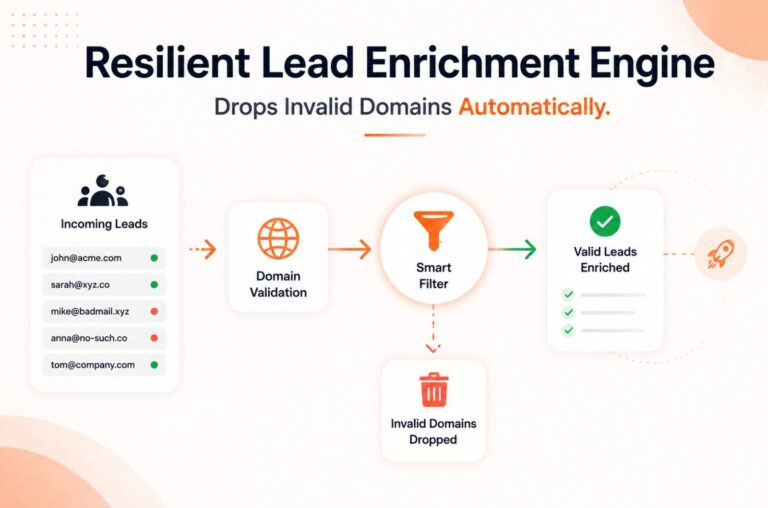
    Building a Resilient Lead Enrichment Automation Engine That Drops Invalid Domains Automatically

    Naveen Kumar (TSA)

    Lead enrichment automation that does not filter domains before enrichment is a credit burning machine. Every Clay Data Credit, every Apollo export slot spent on a Gmail address, a disposable domain, or a defunct company produces nothing downstream. The fix is a seven-layer domain filter that runs before any enrichment API is called. This guide builds that filter and wires it into a full waterfall enrichment pipeline.

    Read More Building a Resilient Lead Enrichment Automation Engine That Drops Invalid Domains AutomaticallyContinue

  • Clay HTTP API
    Workflow Automation

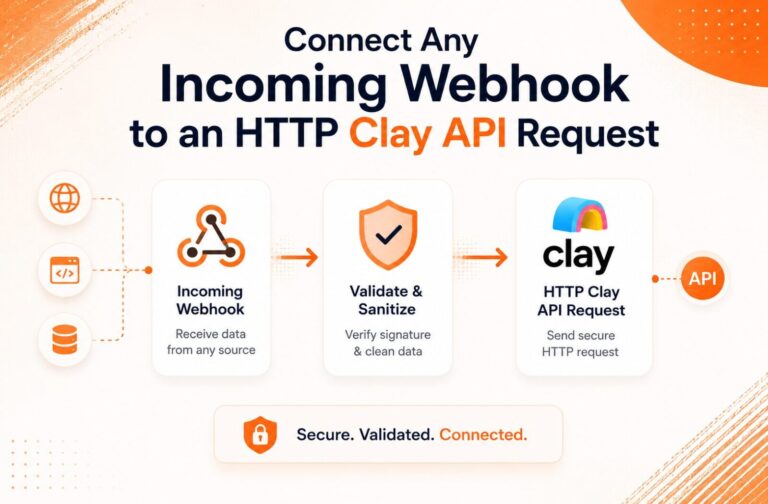
    How to Connect Any Incoming Webhook to an Clay HTTP API Request Safely

    Naveen Kumar (TSA)

    The Clay HTTP API is the most underused feature in the platform. Most RevOps teams stop at native integrations. When a data provider is not in Clay’s catalog, the Clay HTTP API connects any external HTTP endpoint as an enrichment column per row. The safety gap is real: no authentication headers, no payload validation, and no error handling creates a workflow that works in testing and fails silently in production.

    Read More How to Connect Any Incoming Webhook to an Clay HTTP API Request SafelyContinue

  • Zapier Canvas vs Make Grid
    Workflow Automation

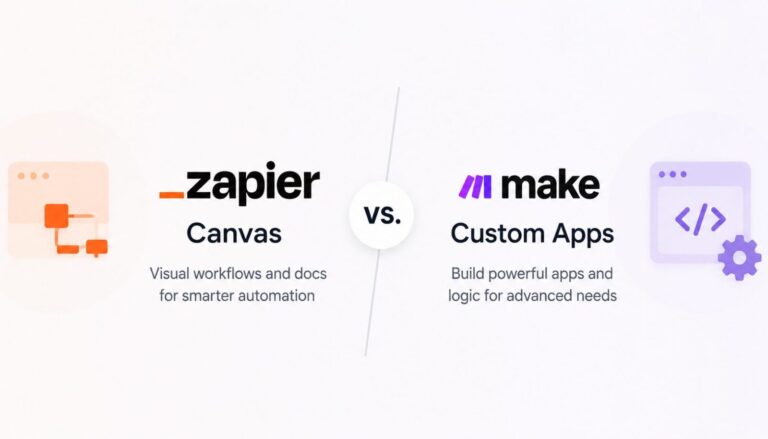
    Zapier Canvas vs Make Grid: Visualizing Your Automation Architecture Cleanly

    Naveen Kumar (TSA)

    Zapier Canvas vs Make Grid is not a direct feature competition. Most comparison articles frame it that way and produce conclusions that mislead both Zapier and Make users into expecting capabilities the tools were never designed to provide.

    Read More Zapier Canvas vs Make Grid: Visualizing Your Automation Architecture CleanlyContinue

  • Zapier Tables vs. Airtable
    Workflow Automation

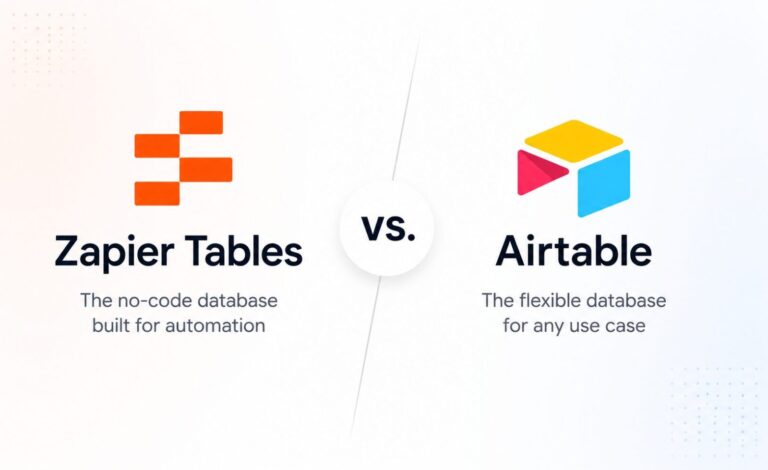
    Zapier Tables vs Airtable: Is Zapier’s Internal Data Hub Ready to Replace Your Database?

    Naveen Kumar (TSA)

    Zapier Tables isn’t an Airtable replacement. It is a workflow data layer inside Zapier’s automation engine. The decisive difference: records written to Zapier Tables consume zero Zapier tasks. The same operations via Airtable-Zapier integration consume tasks at full rate. For teams bleeding task budget on Airtable data operations, migrating that layer to Tables eliminates the overage without changing plan tier. Airtable still wins on relational data, views, and collaboration depth.

    Read More Zapier Tables vs Airtable: Is Zapier’s Internal Data Hub Ready to Replace Your Database?Continue

Page navigation

Previous PagePrevious 1 2 3 4 Next PageNext
  • About Us
  • Privacy Policy
  • Editorial Policy
  • Terms of Service
  • Affiliate Disclosure
  • Advertise With Us

© 2026 The Stack Architects

  • Workflow Automation
  • Team Operations
  • Solopreneur Tech
  • Commerce Systems
  • Master Guides
    • Workflow Automation Guide
    • Team Operations Guide
    • Solopreneur Tech Guide
    • Commerce Systems Guide
Search