AI Automation Security in 2026: How to Audit Your n8n, Zapier and Make Workflows
AI-powered automation can connect your business applications, process customer information, access credentials and trigger actions across multiple systems.
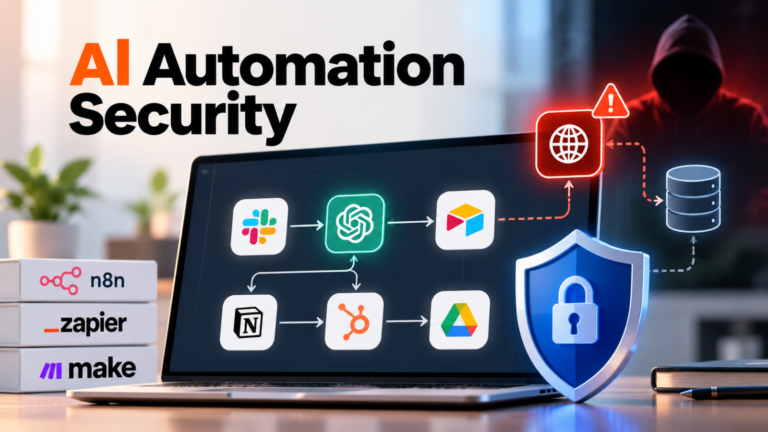
AI-powered automation can connect your business applications, process customer information, access credentials and trigger actions across multiple systems.
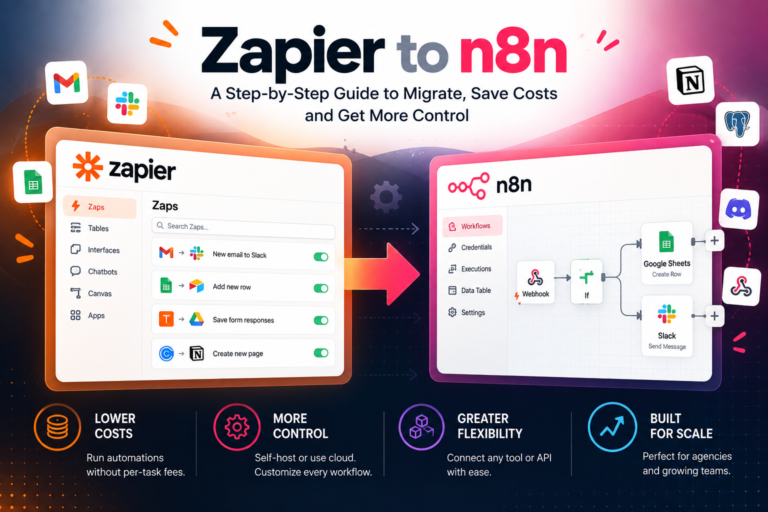
Growing B2B agencies are hitting a wall with Zapier’s strict per-task pricing, especially when running multi-step AI agents and large-scale data enrichment funnels. While Zapier remains the unmatched choice for fast setups and simple linear integrations, n8n introduces an execution-based cloud framework and a powerful free self-hosted model that cuts platform overhead to zero. This deep dive strips away the marketing hype to analyze the raw resource math, advanced AI canvas architecture, JSON code extensibility, and the internal engineering trade-offs required to successfully migrate your operational infrastructure.
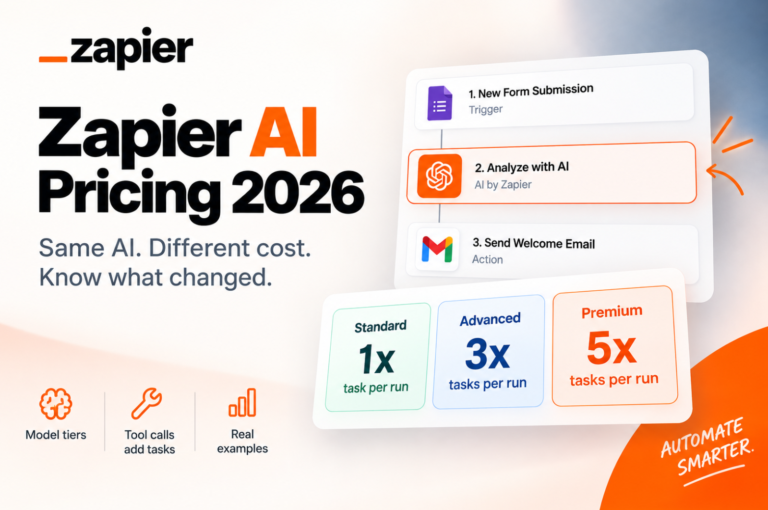
This breakdown of Zapier AI pricing covers the model tier system that quietly changed how much every AI step actually costs, effective June 2026. Includes the real task math behind Standard, Advanced, and Premium tiers, a tested SCAR box on default tier overspend, a Buy or Skip matrix, and current pricing URLs so you can audit your own workflows before your next invoice.
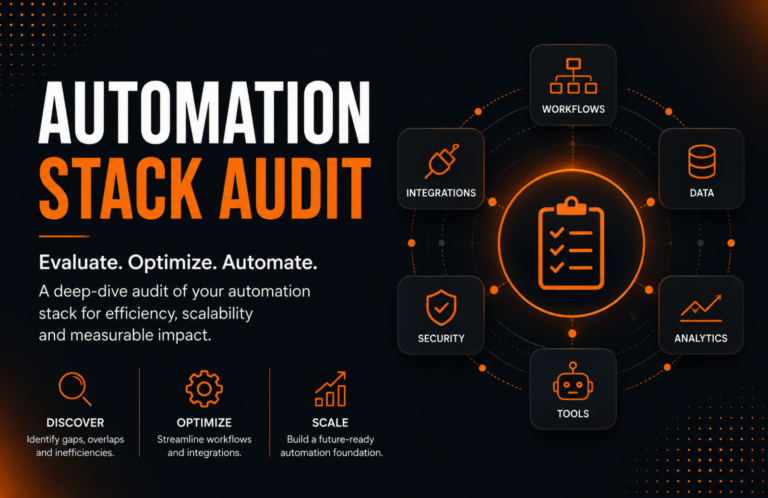
Most US agencies do not have an automation tool problem. They have an automation sprawl problem. The average 10-person marketing agency pays for Zapier, Make.com, a CRM automation module, a separate email tool with its own sequences, and ClickUp automations running in parallel. Three of those tools are doing the same job. The audit framework in this article identifies the overlaps, the credit waste, and the tools you can cancel this month.
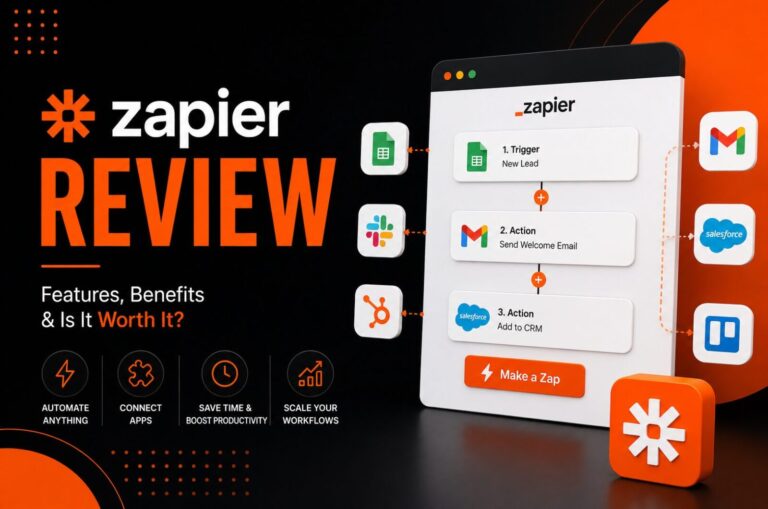
This Zapier review reaches the same conclusion that every honest US agency evaluation reaches: Zapier is the right tool when integration breadth is the non-negotiable requirement, and the wrong tool when task volume makes per-action pricing structurally expensive.
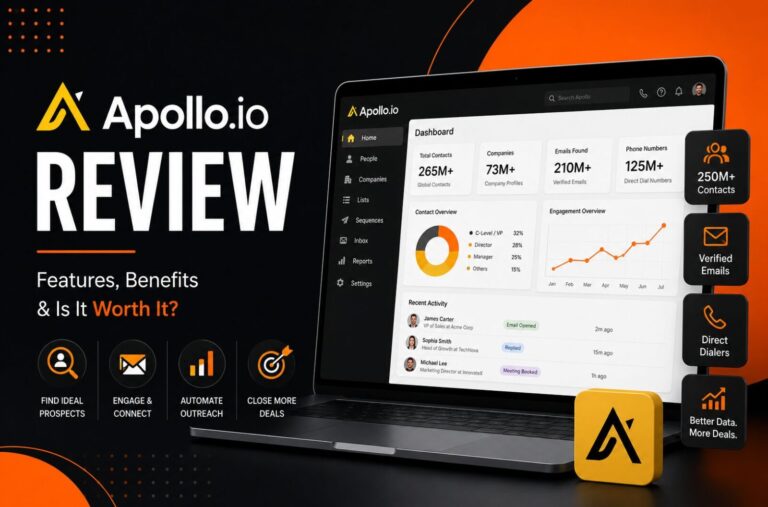
Apollo.io is the right starting point for US outbound teams running under 1,000 new contacts per month on an email-first motion. It is not the right tool for phone-first outbound at scale, non-US contacts, or agencies where data accuracy above 80 percent is a deliverability requirement. Apollo claims 97 percent accuracy. Independent testing across US SDR teams documents 65 to 70 percent real-world. One in three contacts you pull may bounce.