Skip to content

The Stack Architects

  • Workflow Automation
  • Team Operations
  • Solopreneur Tech
  • Commerce Systems
  • Master GuidesExpand
    • Workflow Automation Guide
    • Team Operations Guide
    • Solopreneur Tech Guide
    • Commerce Systems Guide
Linkedin Twitter
The Stack Architects
  • Apollo.io
    Workflow Automation

    Apollo.io Review: Is the Database Worth the Credit Cost for US B2B Agencies?

    Naveen Kumar (TSA)

    Apollo.io is the right starting point for US outbound teams running under 1,000 new contacts per month on an email-first motion. It is not the right tool for phone-first outbound at scale, non-US contacts, or agencies where data accuracy above 80 percent is a deliverability requirement. Apollo claims 97 percent accuracy. Independent testing across US SDR teams documents 65 to 70 percent real-world. One in three contacts you pull may bounce.

    Read More Apollo.io Review: Is the Database Worth the Credit Cost for US B2B Agencies?Continue

  • ZoomInfo Pricing
    Workflow Automation

    ZoomInfo Pricing: What Agencies Actually Pay After the Contract Is Signed

    Naveen Kumar (TSA)

    ZoomInfo pricing starts at $14,995 per year and the sales page does not exist. Every quote is custom, every deal goes through a rep, and two agencies with identical use cases can receive quotes that differ by $20,000. The median agency contract per Vendr’s 2026 verified purchase data lands at $31,875 annually. The real cost after seats, intent data, credit overages, and the first renewal typically runs $30,000 to $60,000.

    Read More ZoomInfo Pricing: What Agencies Actually Pay After the Contract Is SignedContinue

  • Client onboarding automation process
    Commerce Systems

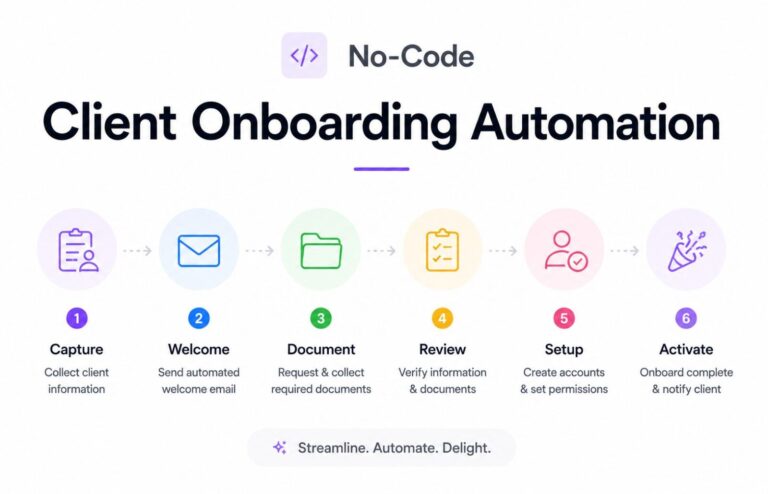
    No-Code Client Onboarding Automation: How to Build a Multi-Channel Agency Rail Without Writing Code

    Naveen Kumar (TSA)

    No-code client onboarding automation is not a tool purchase. It is an architectural decision. Agencies onboarding 30 clients per month with two ops staff are not using better software. They built a four-stage rail: intake form triggers contract, contract signature triggers invoicing, payment triggers project setup, project setup triggers the welcome sequence. No manual steps between contract close and kickoff call. This guide maps that exact rail.

    Read More No-Code Client Onboarding Automation: How to Build a Multi-Channel Agency Rail Without Writing CodeContinue

  • Apollo.io credit trap
    Solopreneur Tech

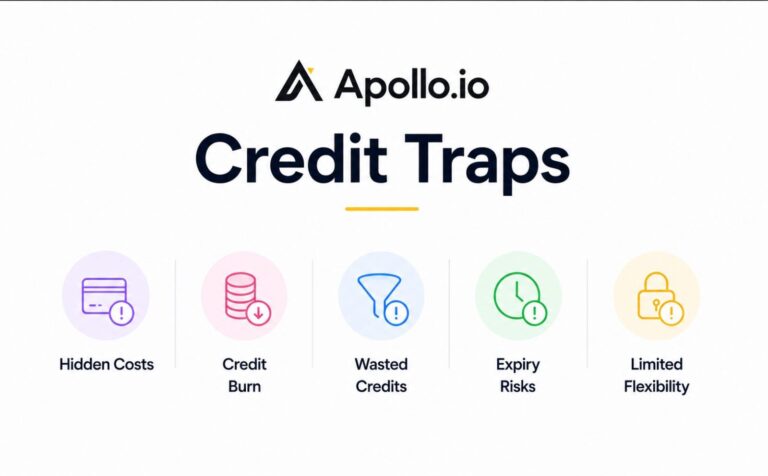
    Apollo.io Credit Traps: How Unverified Data Exports Quietly Drain Your Sales Budget

    Naveen Kumar (TSA)

    Apollo.io credit traps activate in three places the pricing page ignores. The 275M contact database includes 179M unverified records — export without the verified filter and bounce rates hit 30%+. Credits reset monthly with zero rollover, so slow months lose budget permanently. Multi-seat teams with non-prospecting AEs pay full Professional rates on seats burning near-zero credits. Actual costs run 2–3x the base subscription at agency scale.

    Read More Apollo.io Credit Traps: How Unverified Data Exports Quietly Drain Your Sales BudgetContinue

  • Clay.com pricing
    Workflow Automation

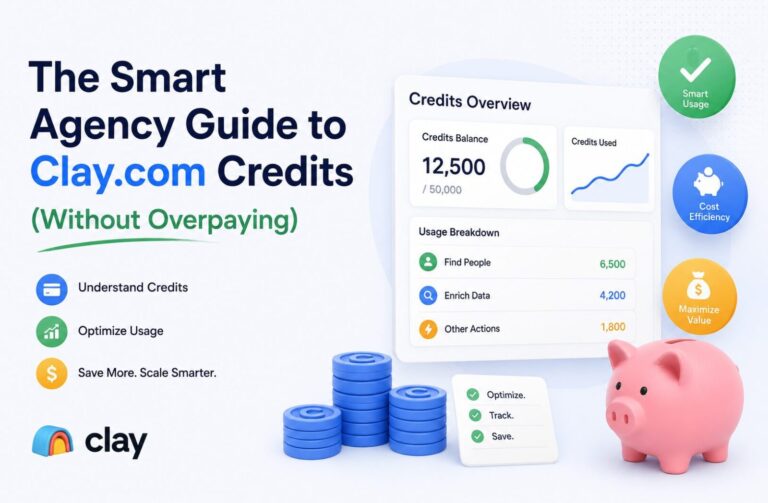
    Is Clay.com Too Expensive? Hidden Credit Traps & Cost Fixes

    Naveen Kumar (TSA)

    Clay.com pricing isn’t the problem — architecture is. Launch at $185/month ships 2,500 Data Credits. A fully enriched contact — email, phone, company data, one Claygent AI step — burns 15–20 credits, covering just 125–166 records before top-ups hit. The agencies paying $500+ monthly bills aren’t on the wrong plan. They’re running Claygent on raw unfiltered lists, skipping conditional waterfall logic, and enriching contacts already in their CRM.

    Read More Is Clay.com Too Expensive? Hidden Credit Traps & Cost FixesContinue

  • Notion vs ClickUp
    Team Operations

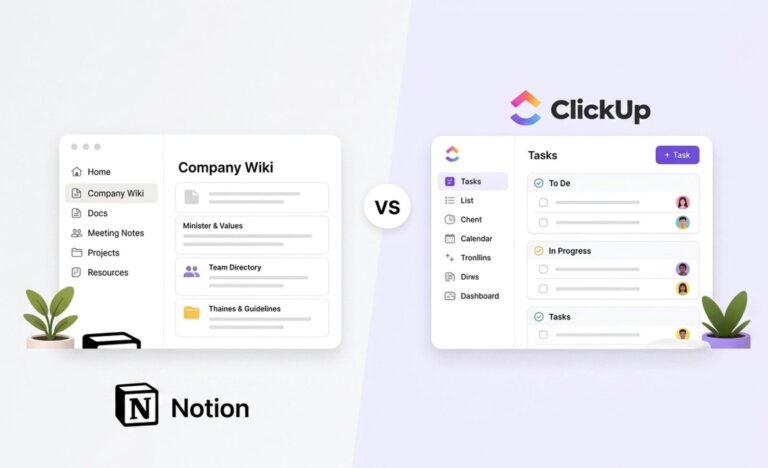
    Notion vs ClickUp: Single Source of Truth Wiki vs Pure Task Architecture

    Naveen Kumar (TSA)

    Notion vs ClickUp for B2B service agencies is a false binary. Notion is a wiki that learned to track tasks. ClickUp is a task manager that learned to hold documents. Both fail when forced to fully replace the other. Notion wins on knowledge architecture — SOPs, wikis, client reference libraries. ClickUp wins on delivery execution — time tracking, Gantt charts, workload views, automation at scale. The real answer is often both.

    Read More Notion vs ClickUp: Single Source of Truth Wiki vs Pure Task ArchitectureContinue

Page navigation

1 2 Next PageNext
  • About Us
  • Privacy Policy
  • Editorial Policy
  • Terms of Service
  • Affiliate Disclosure
  • Advertise With Us

© 2026 The Stack Architects

  • Workflow Automation
  • Team Operations
  • Solopreneur Tech
  • Commerce Systems
  • Master Guides
    • Workflow Automation Guide
    • Team Operations Guide
    • Solopreneur Tech Guide
    • Commerce Systems Guide
Search